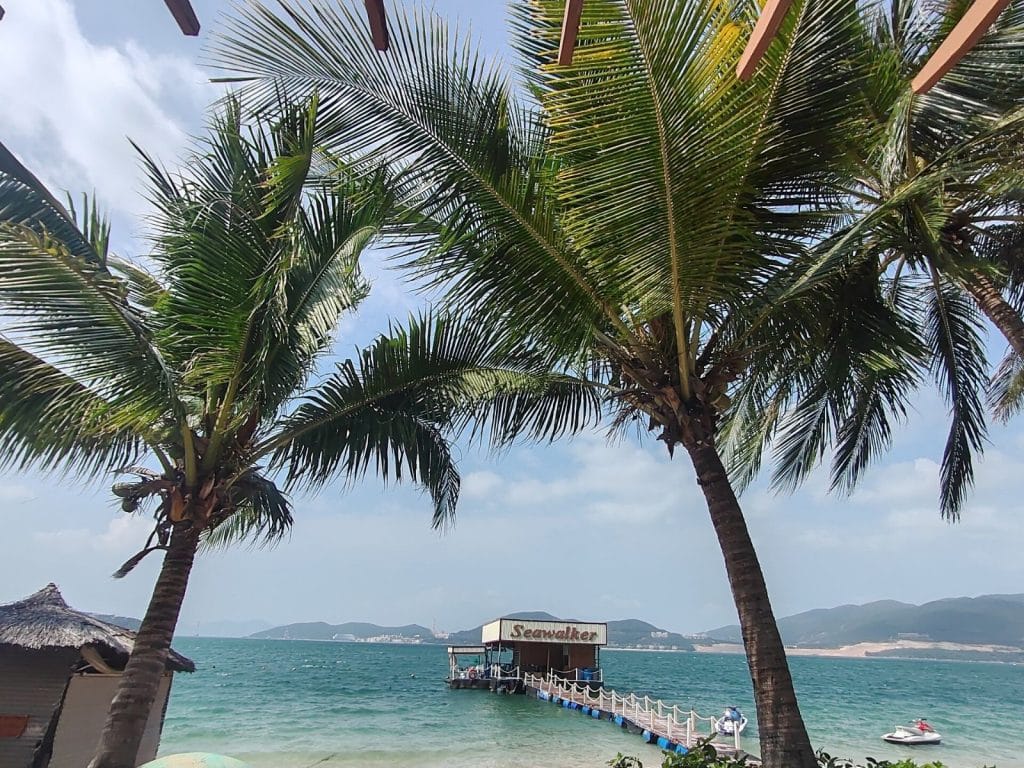
This Cam Ranh travel guide in one line: fly into Cam Ranh International Airport (CXR), stay on Bai Dai (Long Beach) or the North Cam Ranh peninsula, and spend your days between quiet beaches, Binh Ba lobster island and Nha Trang, 35 km north. Most visitors need three to four days; the dry months from January to August give the calmest sea.
Key facts (as of November 2026)
- Cam Ranh International Airport (CXR) is about 35 km, or 45 to 60 minutes by road, from central Nha Trang.
- The Bai Dai (Long Beach) resort strip starts just a few minutes north of the airport.
- Airport bus route 18 to Nha Trang costs about 50,000 to 65,000 VND and runs roughly 4:30 a.m. to 9:00 p.m. (indicative fares, August 2026).
- A taxi from the airport to Nha Trang costs about 250,000 to 350,000 VND per trip.
- Wooden boats to Binh Ba Island leave Ba Ngoi port at about 7:00, 10:00, 13:30 and 16:00 for 25,000 to 30,000 VND per person.
- The driest, calmest season is roughly January to August; heavy rain and storms are most likely from October to December.
- Since July 1, 2025, the old Ninh Thuan province has been merged into Khanh Hoa, so Cam Ranh, Nha Trang and Vinh Hy Bay now sit in the same province.
Written by the Cam Ranh Mystery Villas team. Last updated November 16, 2026. Transport fares, boat times and opening hours change often, so please check the sources at the end of this guide before you travel.
In this guide
What is Cam Ranh and why do travelers go there?
Cam Ranh is a coastal area in Khanh Hoa province on Vietnam’s south-central coast, best known for its deep natural bay, its international airport and a long line of beach resorts on the peninsula north of the airport. For decades the name was linked mostly with the naval port in Cam Ranh Bay. Since the airport opened to international flights and the coastal road to Nha Trang was upgraded, the sandy strip between the two has become one of Vietnam’s main resort zones.
People choose Cam Ranh for three reasons. First, it is quiet: beaches are long, hotels are spread out, and there are no high-rise blocks shading the sand as there are in central Nha Trang. Second, it is close to the airport, so you can be in the water an hour after landing. Third, it puts Nha Trang, the islands of Cam Ranh Bay and the dramatic coast to the south all within a day trip.
The trade-off is that Cam Ranh is not a town you stroll around in the evening. Restaurants, shops and nightlife are thinner than in Nha Trang, and you will rely on taxis or ride-hailing apps to move between places. If you want a peaceful base and are happy to plan a few outings, it works very well.
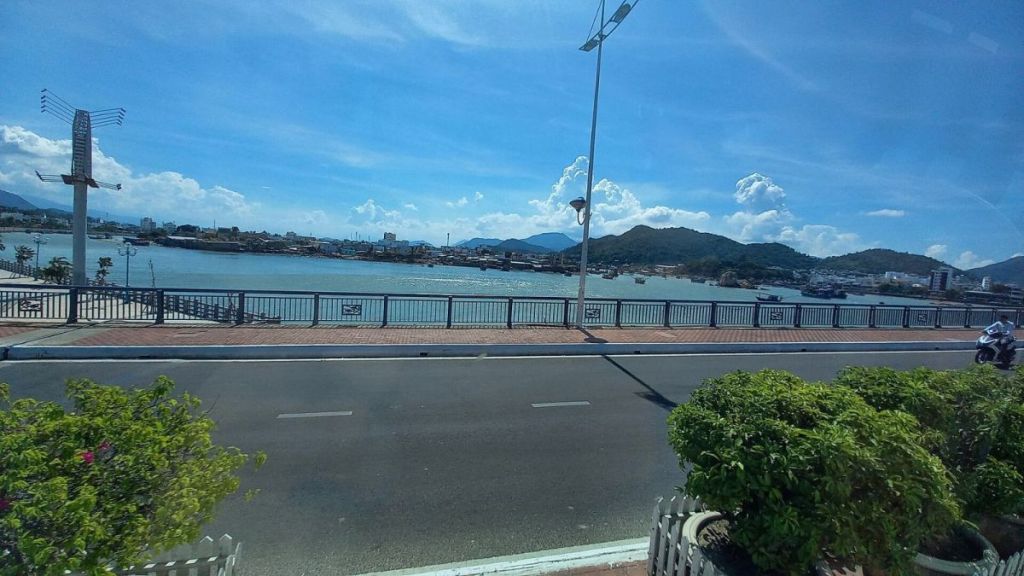
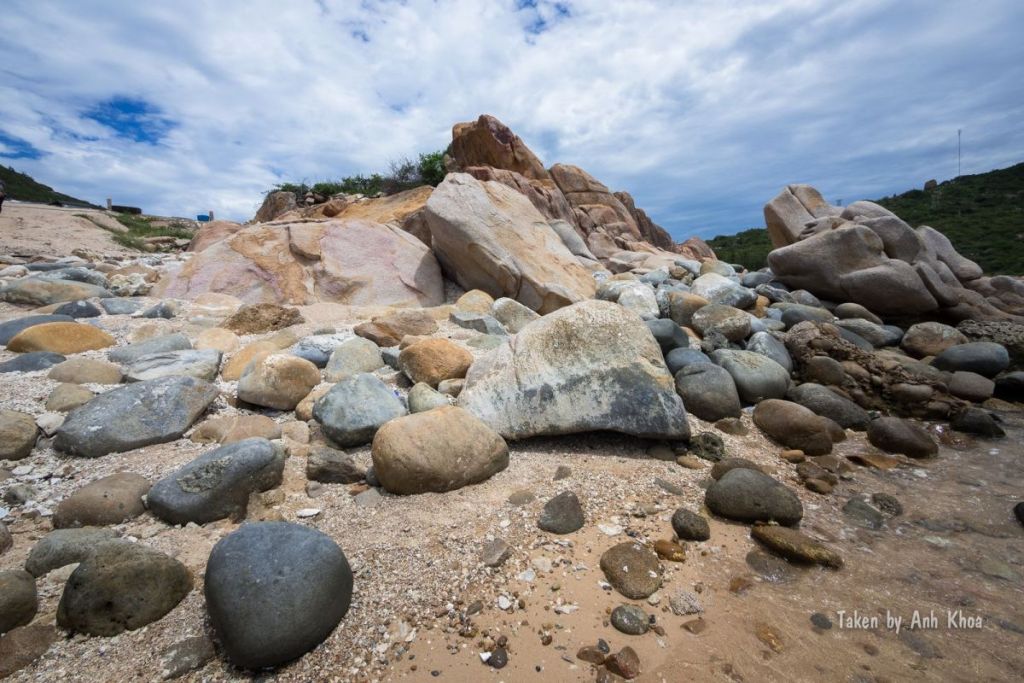
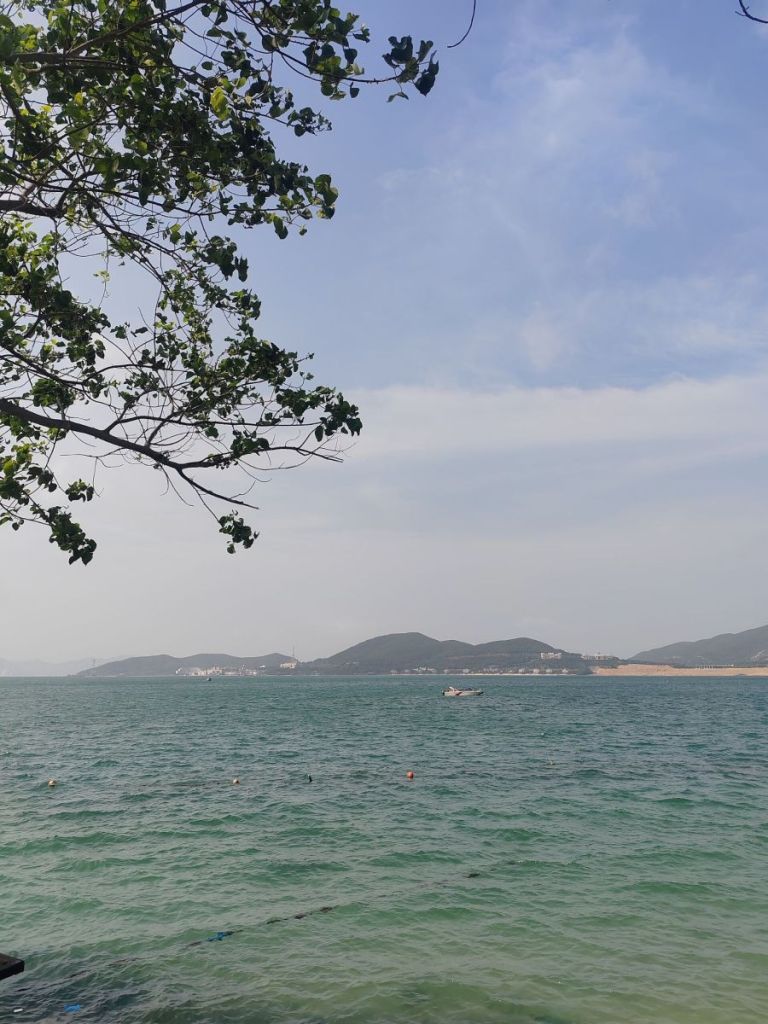
Photos: 1) GDAE, CC BY-SA 4.0; 2) Tran Anh Khoa, CC BY-SA 2.0; 3) Huangdan2060, CC BY 4.0.
How do you get to Cam Ranh?
Most travelers fly. Cam Ranh International Airport (Sân bay Quốc tế Cam Ranh, code CXR) has frequent domestic flights from Ho Chi Minh City and Hanoi, plus international routes that vary by season, mainly from South Korea, China and other parts of Asia. The flight from Ho Chi Minh City takes a little over an hour; from Hanoi it is just under two hours.
By land, Cam Ranh is roughly 380 km from Ho Chi Minh City. With the new North–South expressway sections, a private car takes about 6 to 8 hours depending on traffic and stops, and sleeper buses run overnight. Trains on the Reunification Line stop at Nha Trang and at Nga Ba station in Cam Ranh; the train is slower but comfortable if you book a soft sleeper.
| Route | Option | Typical time | Notes (as of November 2026) |
|---|---|---|---|
| Ho Chi Minh City → Cam Ranh | Domestic flight | About 1 hour 5 minutes | Several daily flights; cheapest when booked early |
| Hanoi → Cam Ranh | Domestic flight | About 1 hour 50 minutes | Busy in summer and around Tết |
| Ho Chi Minh City → Cam Ranh | Private car or sleeper bus | About 6 to 8 hours | Expressway for most of the way |
| Ho Chi Minh City → Nha Trang / Cam Ranh | Train | About 7 to 9 hours | Book soft sleeper berths ahead |
From the airport to your hotel
Once you land, the choice depends on where you are staying. Resorts on Bai Dai and the North Cam Ranh peninsula are only 5 to 20 minutes away, and many offer their own pickup. For Nha Trang, you have four options: a pre-booked private car (from about 250,000 VND per vehicle), a regular taxi (about 250,000 to 350,000 VND), Grab or Xanh SM through the app, or airport bus route 18 for about 50,000 to 65,000 VND per person. The bus runs every 20 to 30 minutes from roughly 4:30 a.m. to 9:00 p.m. and takes about an hour, with stops along the way.
Local tip: Many international flights land late at night, when the bus has stopped. If you arrive after 9 p.m., book a car in advance so you are not negotiating with drivers at the curb.
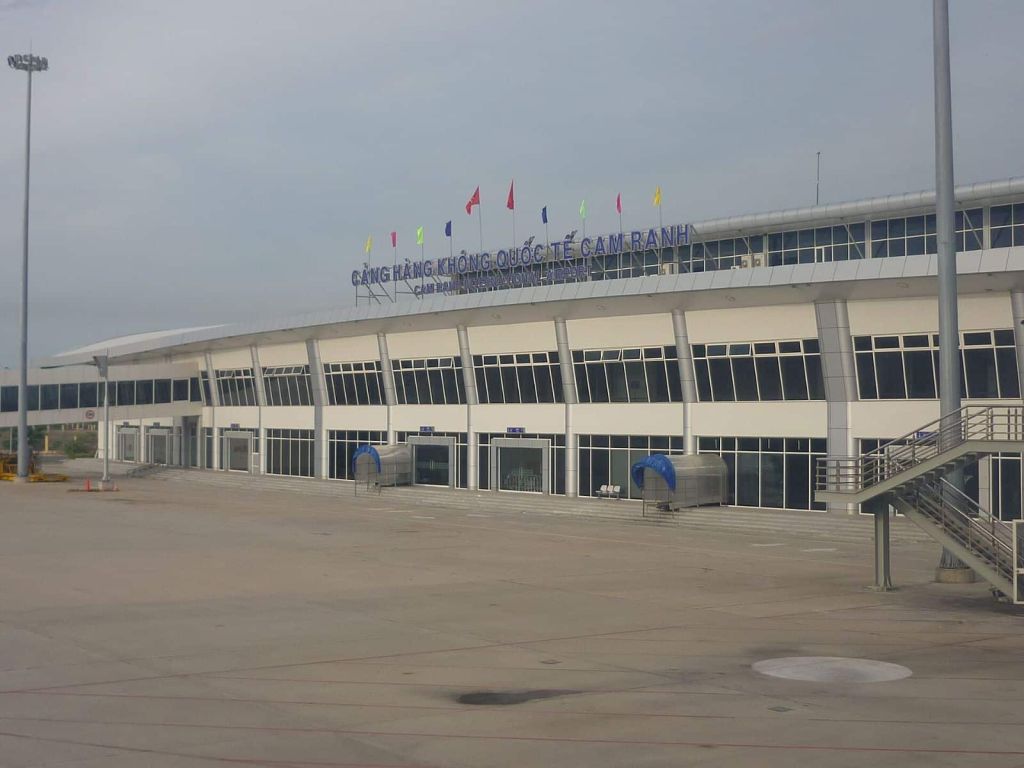
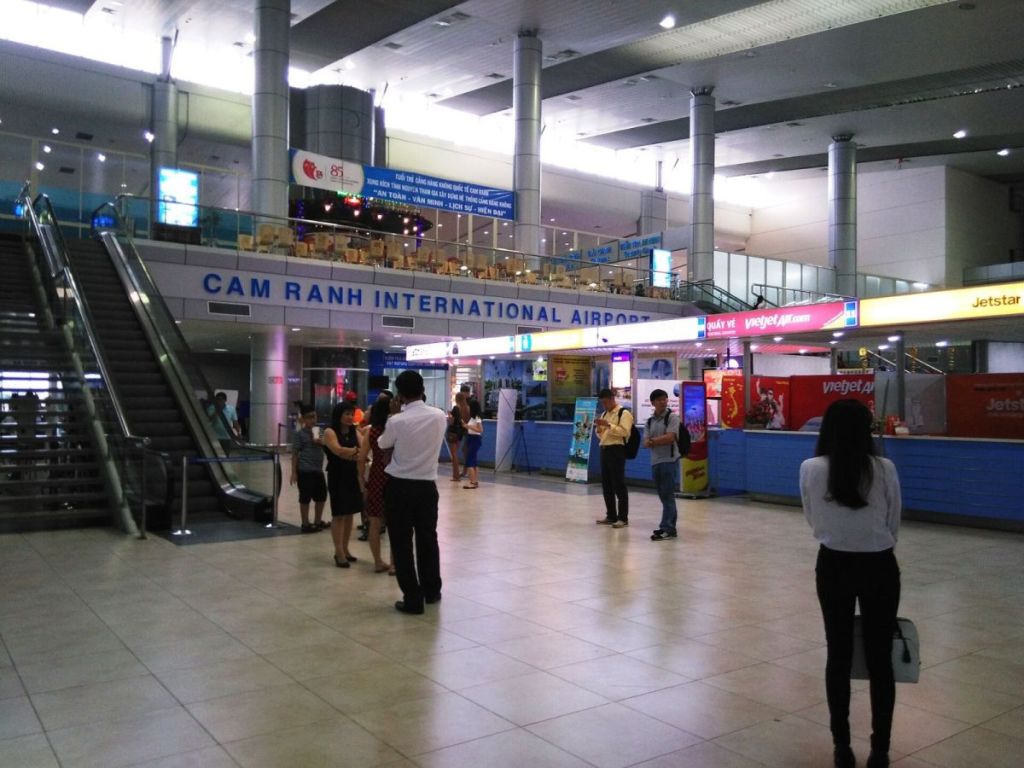
Photos: 1) Basilicofresco, CC BY-SA 3.0; 2) Phương Huy, public domain; 3) GDAE, CC BY-SA 4.0.
Which beaches in Cam Ranh are worth your time?
The main beach is Bai Dai (Bãi Dài, Long Beach), a strip of pale sand that runs for well over 10 km along the coast road between the airport and Nha Trang. The northern half is lined with resorts, while the southern stretches still have open sand, casuarina trees and a few local seafood shacks. The water is clear on calm days, and the beach shelves gently in most places.
Because resorts sit far apart, much of Bai Dai feels empty even in high season. Resort beaches are cleaned daily; public stretches can collect litter after storms, so choose your spot with that in mind. Lifeguards are mainly found in front of resorts, so swim there if you are not a strong swimmer.
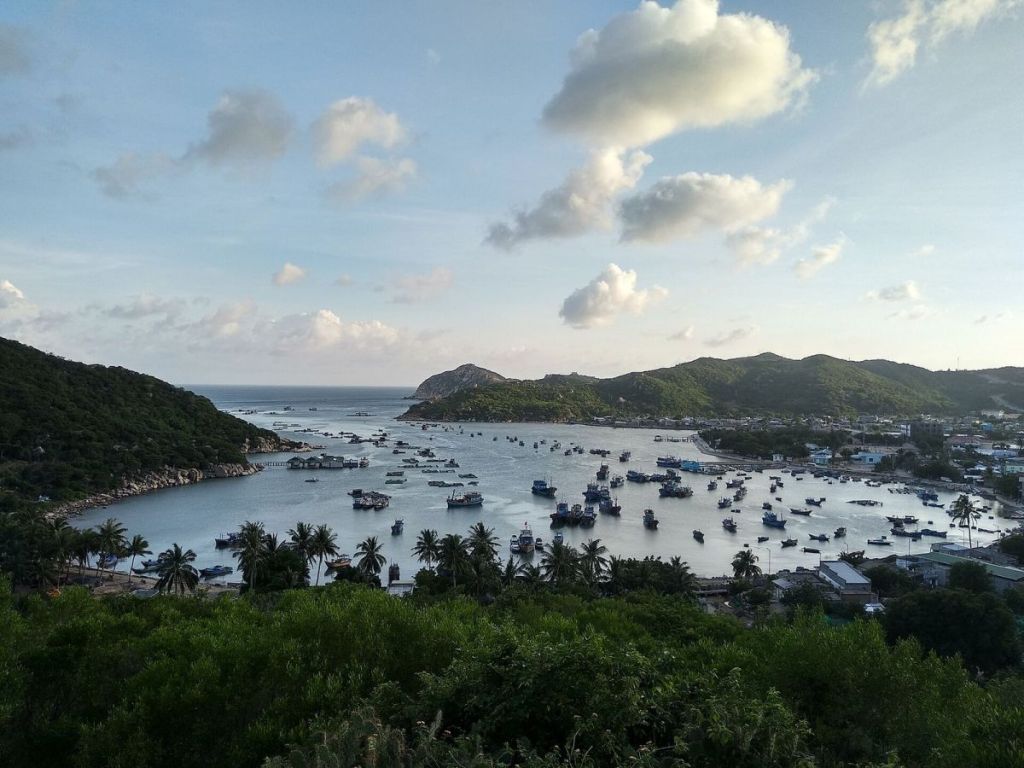
Out in the bay, the islands have smaller, more sheltered beaches. On Binh Ba Island, Bai Nom is the main swimming beach, and Bai Bo De on the far side has shallow coral that is good for a quick snorkel with water shoes. Binh Hung Island, closer to the southern coast, is known for clear coves and rock formations and is usually visited by boat with a local operator.
| Beach | Best for | How to get there | Facilities |
|---|---|---|---|
| Bai Dai (Long Beach) | Long walks, swimming, sunrise | Coast road from the airport or Nha Trang | Resorts, a few beach restaurants |
| Bai Nom, Binh Ba Island | Calm swimming, seafood lunch | Boat from Ba Ngoi port | Simple restaurants and vendors |
| Bai Bo De, Binh Ba Island | Snorkeling in shallow water | Boat or canoe with a local operator | Very basic |
| Binh Hung Island coves | Clear water, rock scenery | Boat trip from the southern coast | Basic seafood rafts |
How do you visit Binh Ba Island?
Take a boat from Ba Ngoi port (cảng Ba Ngòi), about 15 km from the airport. Regular wooden boats leave at around 7:00, 10:00, 13:30 and 16:00, and tickets cost about 25,000 to 30,000 VND per person. Faster canoes cut the crossing to roughly 20 minutes for a higher fare. Many visitors go as a day trip; a few small guesthouses on the island take overnight guests.
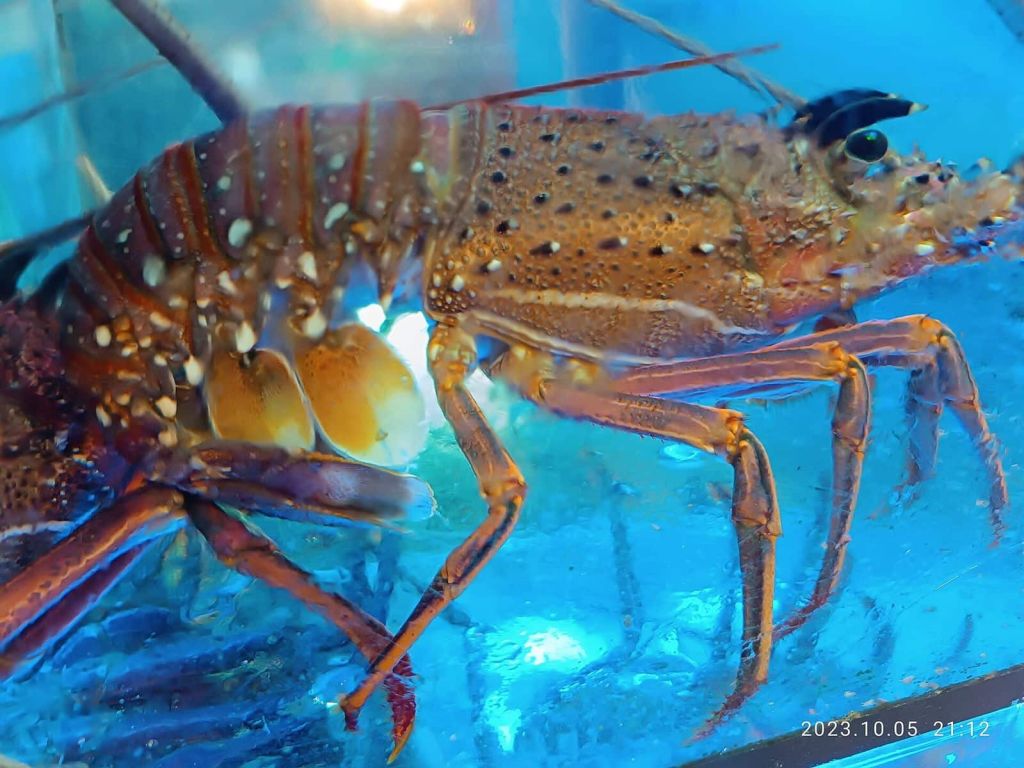
Binh Ba is called the “lobster island” because of the lobster farms floating in the surrounding water. The island is small, with a fishing village, a few beaches and hill viewpoints. Most people rent a motorbike or hire a local driver to loop around it, then end with seafood at a raft restaurant.
The island sits inside Cam Ranh Bay, which has a long military history, and access rules for foreign visitors have changed over the years. If you are not Vietnamese, ask your hotel or a licensed local tour operator about the current requirements a few days before you go, and carry your passport.
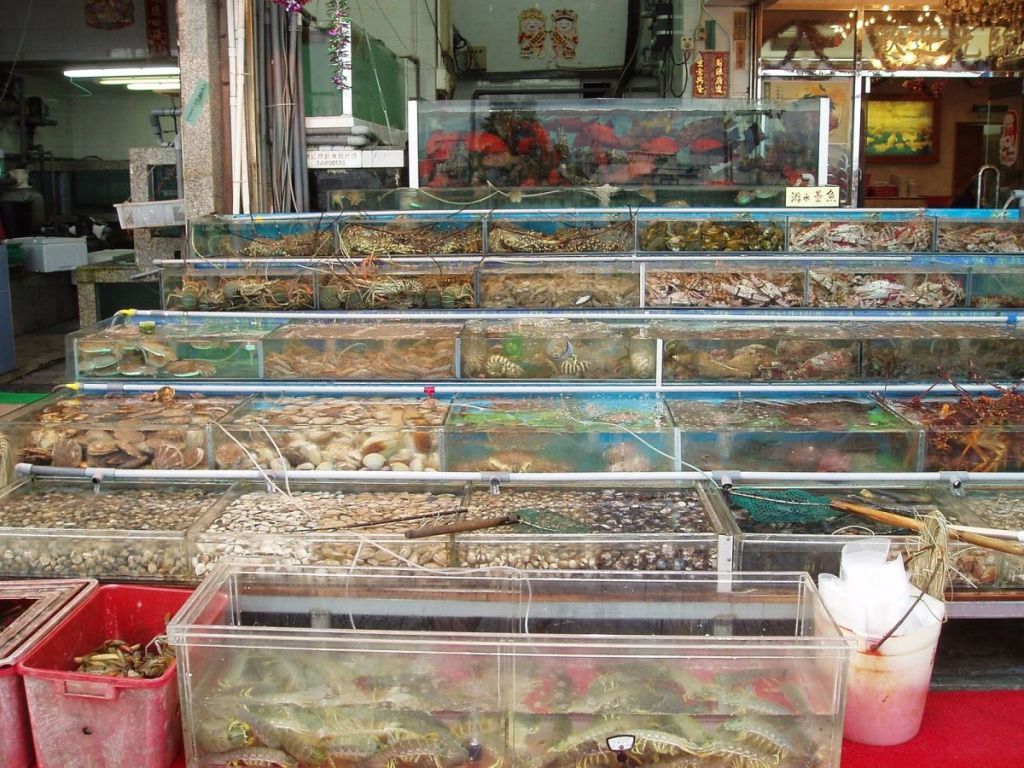
Local tip: Lobster and other live seafood are sold by weight. Before you order, ask the price per kilogram and how much your chosen piece weighs, and agree on the cooking fee if there is one. This avoids most surprises on the bill.
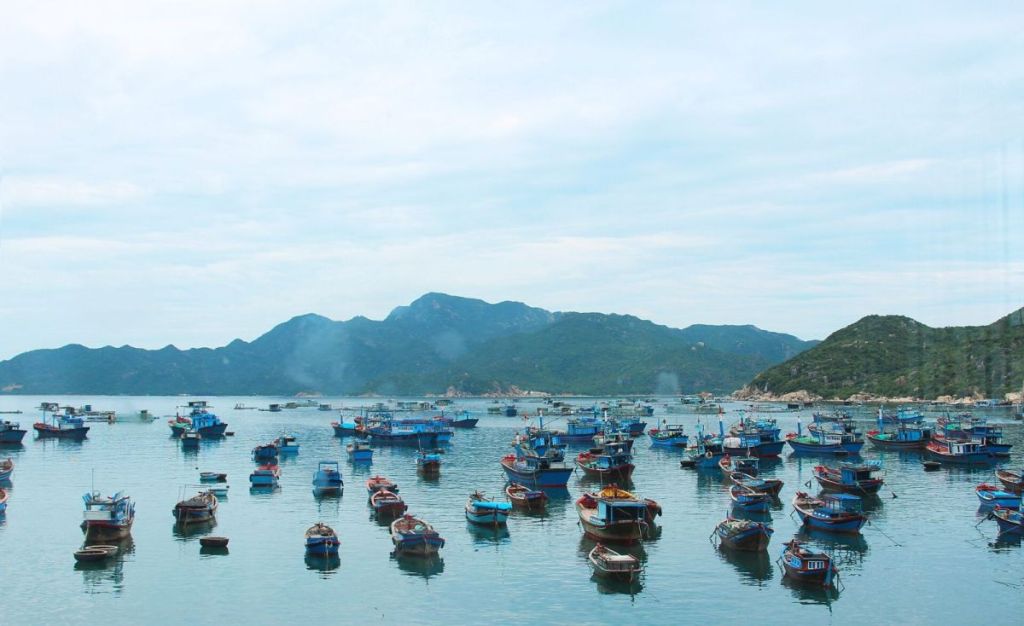
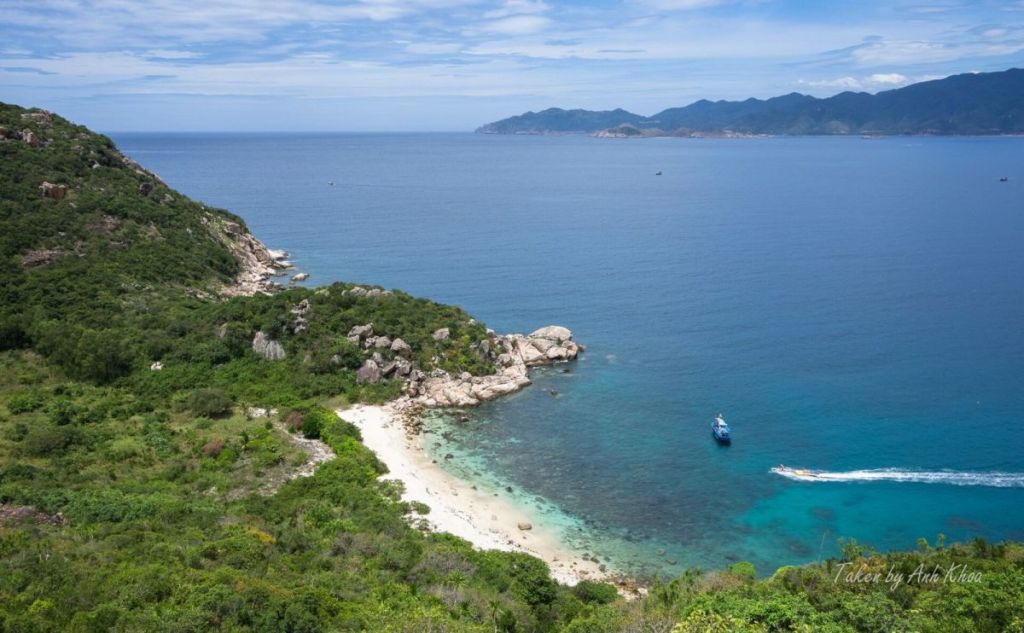
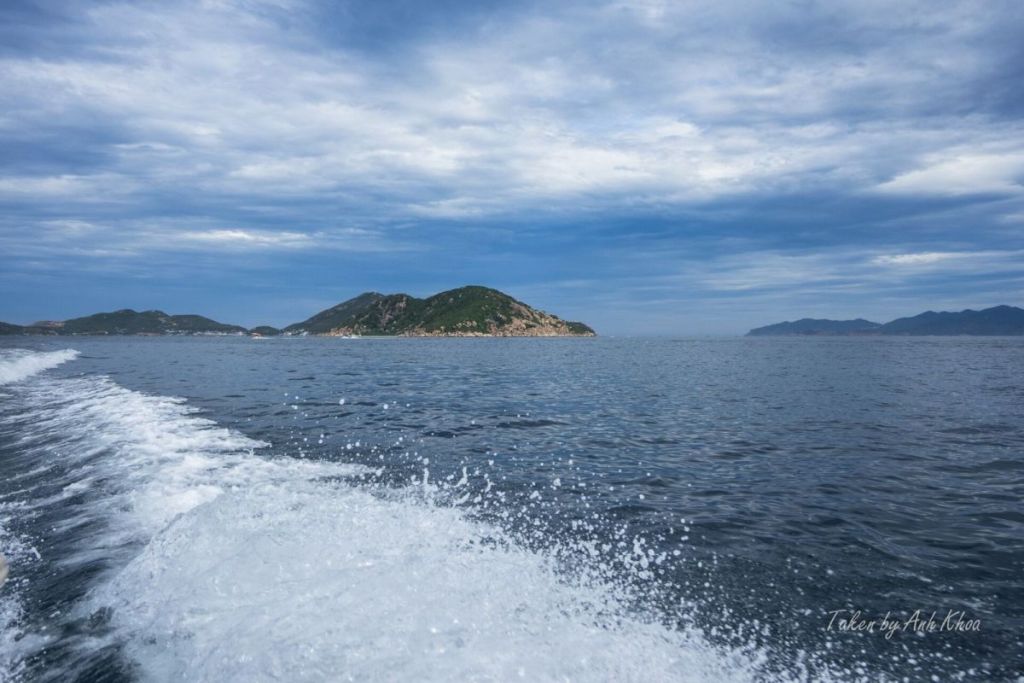
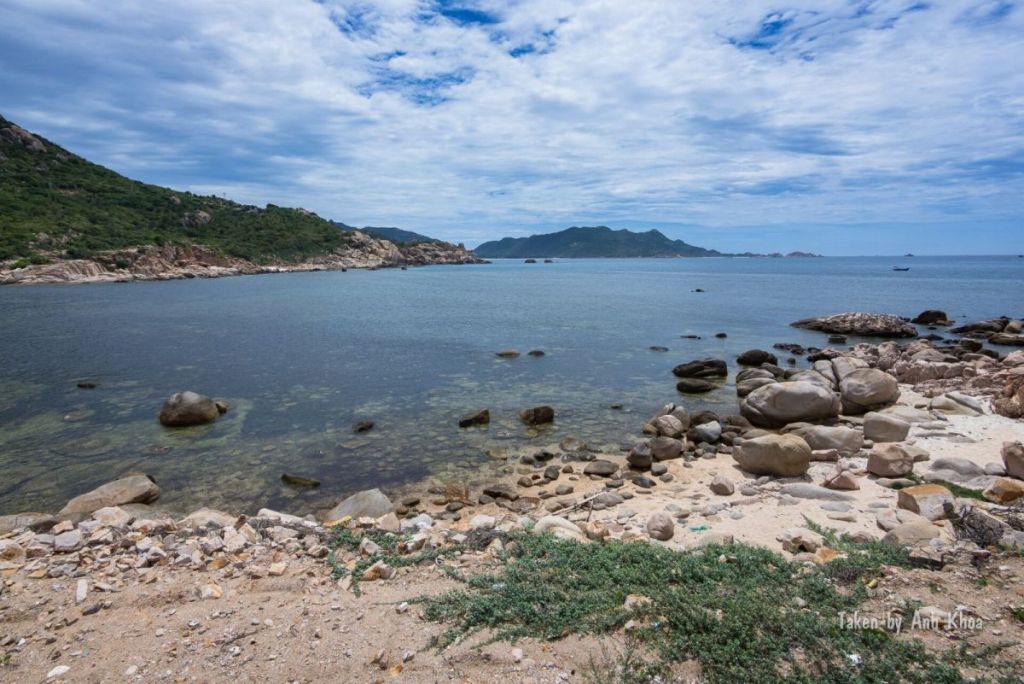
Photos: 1) Violetbonmua, CC BY-SA 3.0; 2–4) Tran Anh Khoa, CC BY-SA 2.0.
Should you stay in a resort or a private villa in Cam Ranh?
Stay in a resort if you want full service, kids’ clubs and restaurants on site; choose a private pool villa if you travel as a family or group and value space and privacy. Both are spread along Bai Dai and the North Cam Ranh peninsula, so location differences are small compared with the style of stay.
The coast has a wide spread of international and Vietnamese brands, including well-known names such as Fusion Resort Cam Ranh, Mövenpick Resort Cam Ranh, Radisson Blu Resort Cam Ranh, Alma Resort and Ana Mandara Cam Ranh. Prices swing a lot between the summer peak, Vietnamese holidays and the rainy months, so compare rates for your exact dates.
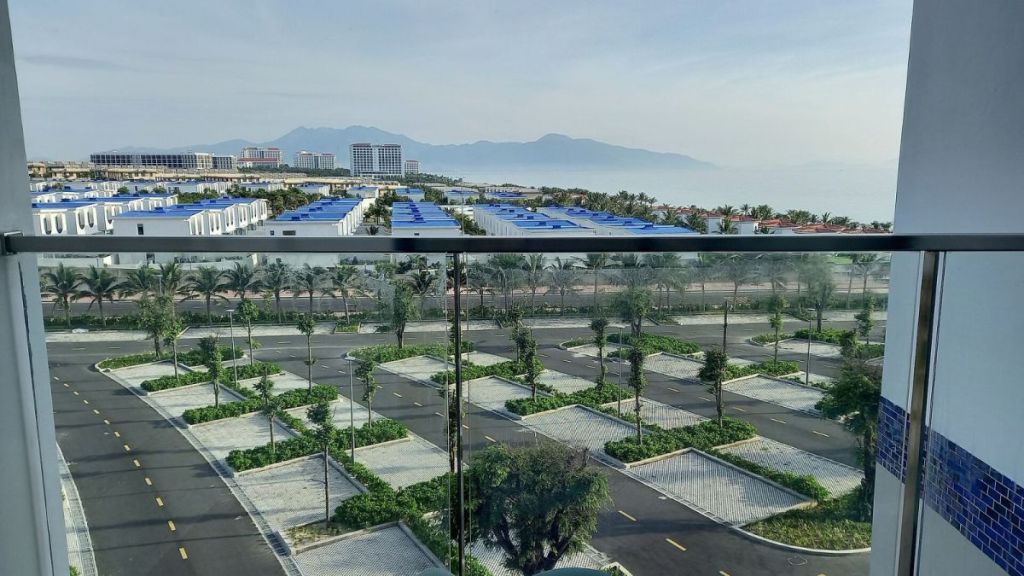
Cam Ranh Mystery Villas is a villa community on lot D14b of the North Cam Ranh peninsula tourism zone, developed by Hung Thinh. It covers about 12.7 hectares with 241 villas of 240 to 450 square meters, built on a gentle sandy slope that faces the sea, with shared facilities such as pools, restaurants and a spa. The villas have been completed and handed over, and some owners make theirs available for holiday rental.
Thinking about a villa stay or owning a home by the sea in Cam Ranh? Message our team with your dates or questions. We share real photos, current availability and up-to-date information on the project.


Photos: Cam Ranh Mystery Villas.
Is Cam Ranh a better base than Nha Trang?
Cam Ranh is better if your priority is a quiet beach and a short airport transfer; Nha Trang is better if you want city life, cheap street food and walking access to bars and markets. Many travelers split their stay: a few nights by the beach in Cam Ranh, then one or two in Nha Trang.
| Factor | Cam Ranh (Bai Dai / North peninsula) | Nha Trang city |
|---|---|---|
| Airport transfer | 5 to 20 minutes | 45 to 60 minutes |
| Beach | Long, quiet, few buildings behind it | Central city beach, busy, shaded by hotels in the afternoon |
| Food and nightlife | Mostly in resorts plus a few local spots | Hundreds of restaurants, cafés and bars |
| Getting around | Taxi or Grab for most trips | Walkable center |
| Island trips | Binh Ba, Binh Hung by boat | Nha Trang Bay islands by boat |
| Best for | Couples, families, villa groups | Budget travelers, first-time visitors who like a city |
What day trips can you take from Cam Ranh?
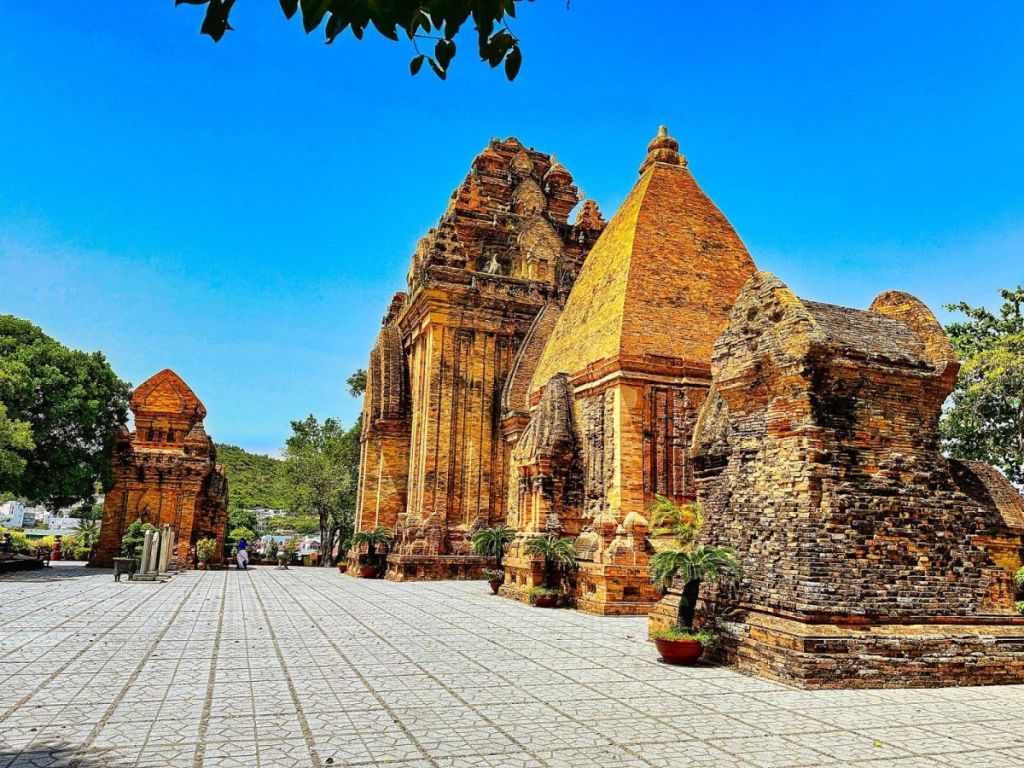
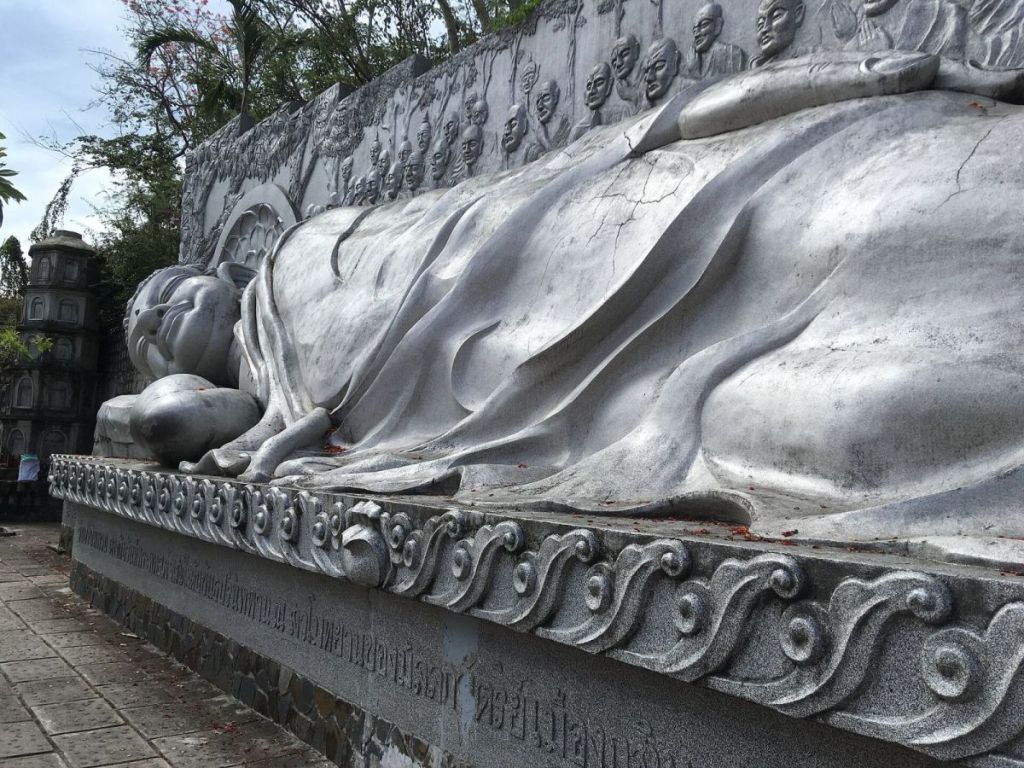
The easiest day trip is Nha Trang, 45 to 60 minutes north. A good loop takes in the Po Nagar Cham towers (Tháp Bà Ponagar), brick Hindu temples built by the Cham kingdom about a thousand years ago; Long Son Pagoda (Chùa Long Sơn), with its large white seated Buddha on the hill; and the Gothic-style Nha Trang Cathedral. Finish with a swim or dinner on the city beach. Dress modestly for the temples and pagoda, covering shoulders and knees.
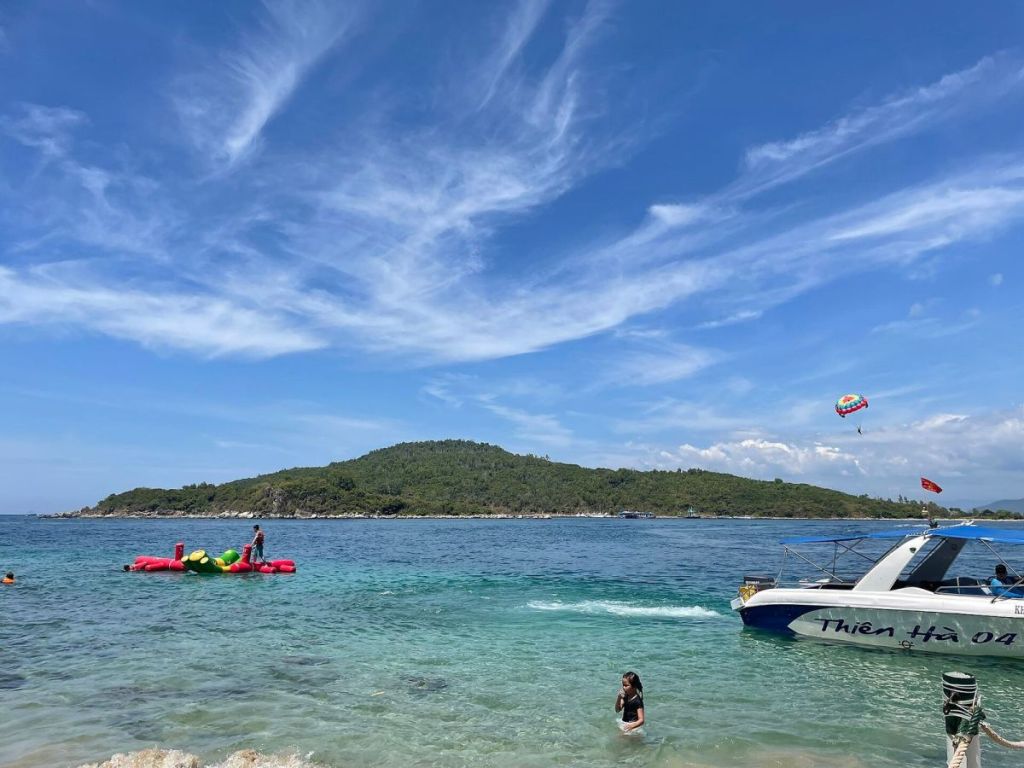
From Nha Trang harbor, boats run to the islands of Nha Trang Bay. The Hon Mun marine protected area is the usual choice for snorkeling and diving, while other island trips focus on beaches and seafood. Sea conditions decide whether trips go out, so keep this for a calm day.
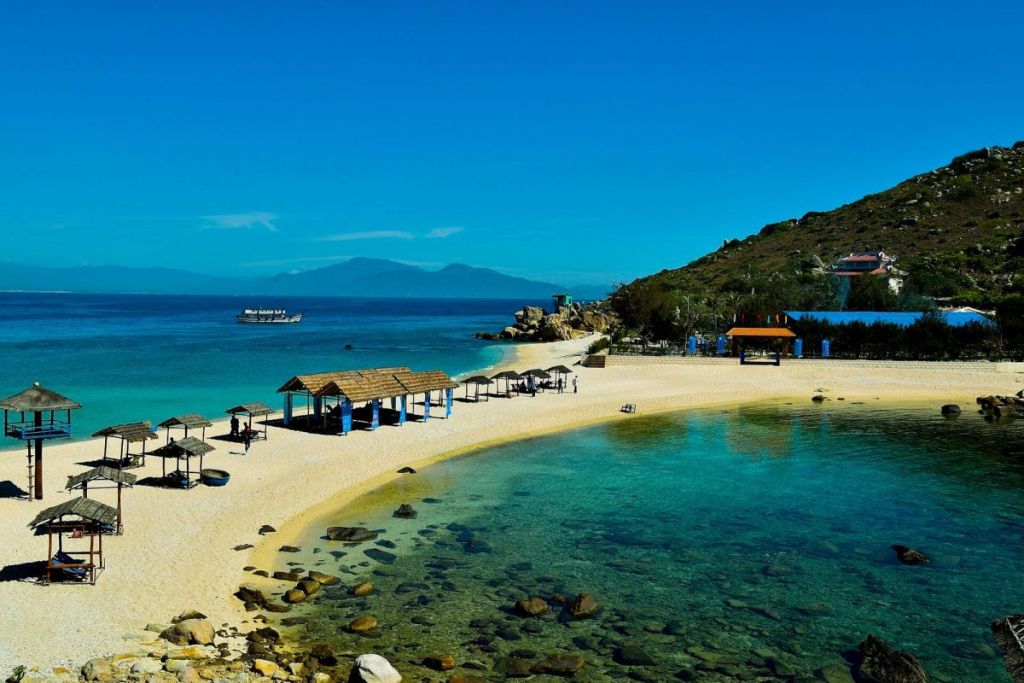
Heading south, the coast road leads to Vinh Hy Bay (Vịnh Vĩnh Hy), a fishing bay ringed by steep hills, about 1 to 1.5 hours away by car. It used to belong to Ninh Thuan province but has been part of Khanh Hoa since July 2025. The drive itself, with cliffs, vineyards and dry hills, is a big part of the trip.
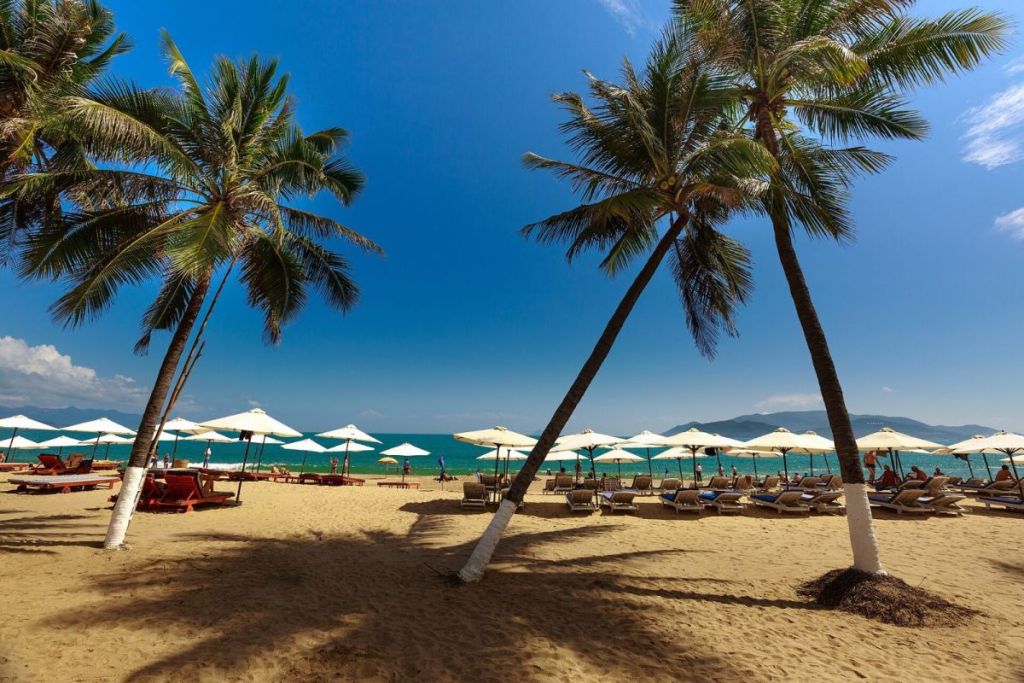
Photos: 1) Quangpraha, CC0; 2) Ms Sarah Welch, CC0; 3) Christophe95, CC BY-SA 4.0; 4–5) partner travel photo library.
If your trip starts in the south, it is easy to combine Cam Ranh with a few days in Saigon before or after the beach. Ho Chi Minh Tours lists multi-day Vietnam trips that leave from the city, which can help you see what fits around a short flight to the coast.
What should you eat in Cam Ranh?
Seafood is the reason to eat out in Cam Ranh. Lobster (tôm hùm) from the farms around Binh Ba is the headline dish, usually grilled with butter and garlic, steamed, or cooked into a rice porridge (cháo tôm hùm). Squid, clams, scallops and reef fish are also cheaper here than in big cities. Seafood restaurants usually show live tanks; you choose, they weigh, and you pay by the kilogram plus a cooking fee.
Away from seafood, try dishes from across Khanh Hoa: bún cá (fish noodle soup with fish cake and jellyfish), bánh căn (small rice pancakes cooked in clay molds and dipped in fish sauce) and nem nướng Ninh Hòa (grilled pork sausage rolled in rice paper with herbs). These are found in local eateries in Cam Ranh town and all over Nha Trang, usually for 30,000 to 60,000 VND a dish.
Useful Vietnamese for seafood restaurants
- Bao nhiêu một ký? – how much per kilo?
- Cân giúp tôi – please weigh it for me
- Nướng / hấp – grilled / steamed
- Không cay – not spicy
- Tính tiền – the bill, please
Photos: partner travel photo library.
When is the best time to visit Cam Ranh?
The best time is roughly February to August, when days are sunny, rain is rare and the sea is usually calm enough for island boats and snorkeling. January can be breezy but is pleasant, and June to August is the hottest and busiest period, especially with Vietnamese families on summer holiday.
The south-central coast has a different rain pattern from Saigon. Most rain falls from about September or October to December, with the heaviest downpours and the highest storm risk in October and November. Boat trips may be cancelled and the sea can be rough for days at a time. Prices are lower then, and the countryside is green, but plan indoor options and keep your schedule flexible.
How many days do you need, and what does a 3-day plan look like?
Three days covers the highlights without rushing; four days lets you add a lazy beach day or a second island. Here is a simple plan that works for most visitors.
| Day | Morning | Afternoon | Evening |
|---|---|---|---|
| Day 1 | Arrive at CXR, transfer to your resort or villa | Beach and pool on Bai Dai | Seafood dinner near the coast road |
| Day 2 | Early boat from Ba Ngoi to Binh Ba Island | Swim at Bai Nom, lobster lunch, back by mid-afternoon | Rest, sunset walk on the beach |
| Day 3 | Drive to Nha Trang: Po Nagar towers, Long Son Pagoda | Lunch in the city, beach or island boat | Return to Cam Ranh, or stay one night in Nha Trang |
| Day 4 (optional) | Coastal drive to Vinh Hy Bay | Glass-bottom boat or seafood raft in the bay | Back to Cam Ranh for your flight |
Practical tips for Cam Ranh
- Download Grab or Xanh SM before you land. They are the simplest way to move along the coast road, which is too long to walk.
- Carry some cash. Resorts take cards, but boat tickets, island vendors and small seafood places usually want Vietnamese dong.
- Protect yourself from the sun. The beaches have little natural shade outside resorts, and the sun is strong even when it is breezy.
- Check the sea before booking boats. Ask your hotel the evening before; local operators know when the wind will make crossings unpleasant.
- Allow time for the airport. The terminal is close, but check-in queues can be long during summer and holidays.
Planning a family or group stay on the Cam Ranh coast? Tell us your dates and group size, and we will help you find a villa that fits.
Frequently Asked Questions
Is Cam Ranh the same as Nha Trang?
No. Cam Ranh and Nha Trang are separate places in Khanh Hoa province, about 35 km apart. Cam Ranh International Airport is the airport for both, which is why many flight searches show “Nha Trang (Cam Ranh)”. The beach resorts of Bai Dai sit between the two.
How far is Cam Ranh airport from the beach resorts?
Very close. Most resorts on Bai Dai and the North Cam Ranh peninsula are 5 to 20 minutes from the terminal by car. That short transfer is one of the main reasons people stay in Cam Ranh rather than in Nha Trang city.
Is there a bus from Cam Ranh airport to Nha Trang?
Yes. Airport bus route 18 runs from outside arrivals to central Nha Trang for about 50,000 to 65,000 VND per person. It operates roughly 4:30 a.m. to 9:00 p.m., leaves every 20 to 30 minutes and takes about an hour.
Can foreigners visit Binh Ba Island?
Foreign visitors do travel to Binh Ba, but the island lies in a sensitive area of Cam Ranh Bay and access rules have changed over time. Check the current requirements with your hotel or a licensed tour operator before going, and bring your passport.
Is the sea in Cam Ranh safe for swimming?
Generally yes on calm days, especially in front of resorts with lifeguards. During the rainy season and on windy days, waves and currents can be strong. Follow flag warnings and avoid swimming alone on empty stretches of beach.
How many days should I spend in Cam Ranh?
Three to four days is ideal for most travelers. That gives you a beach day, a trip to Binh Ba Island and a day in Nha Trang, with an optional drive to Vinh Hy Bay if you have a fourth day.
What is the rainy season in Cam Ranh?
Most rain falls from about September or October to December, with October and November the wettest months and the time of highest storm risk. From January to August the weather is usually dry and sunny.
Is Cam Ranh good for families with children?
Yes. The beaches are wide and quiet, many resorts have kids’ clubs, and villas give families more space and a private pool. Keep an eye on children in the water, as the sea can be rough on windy days.
Do I need a car in Cam Ranh?
You do not need to rent one. Taxis, Grab and Xanh SM cover the coast road, and hotels can arrange drivers for day trips. Renting a self-drive car requires a Vietnamese license or a valid permit, so most visitors hire a driver instead.
What is Cam Ranh famous for?
Cam Ranh is known for its deep natural bay, its international airport, the long Bai Dai beach and lobster farming around Binh Ba Island. Today it is also one of Vietnam’s main beach resort areas.
Can I fly directly to Cam Ranh from abroad?
Yes, Cam Ranh International Airport receives international flights, mainly from other Asian countries, with routes that change by season. Many travelers from Europe, North America and Australia connect through Ho Chi Minh City or Hanoi.
Is Cam Ranh expensive?
Resorts and villas range from mid-range to luxury, but daily costs outside them are moderate. Local dishes cost about 30,000 to 60,000 VND, and boat tickets to Binh Ba are about 25,000 to 30,000 VND. Seafood is the biggest variable, as it is priced by weight.
Sources
- Cam Ranh Airport to Nha Trang – transfer options and fares (2026)
- Binh Ba Island travel guide – boats from Ba Ngoi port
- Cam Ranh transport – airport transfers, taxis and buses
- Cam Ranh International Airport – overview
- Po Nagar – Cham temple complex in Nha Trang